 Inty AI
Maximalist Living Room Ideas
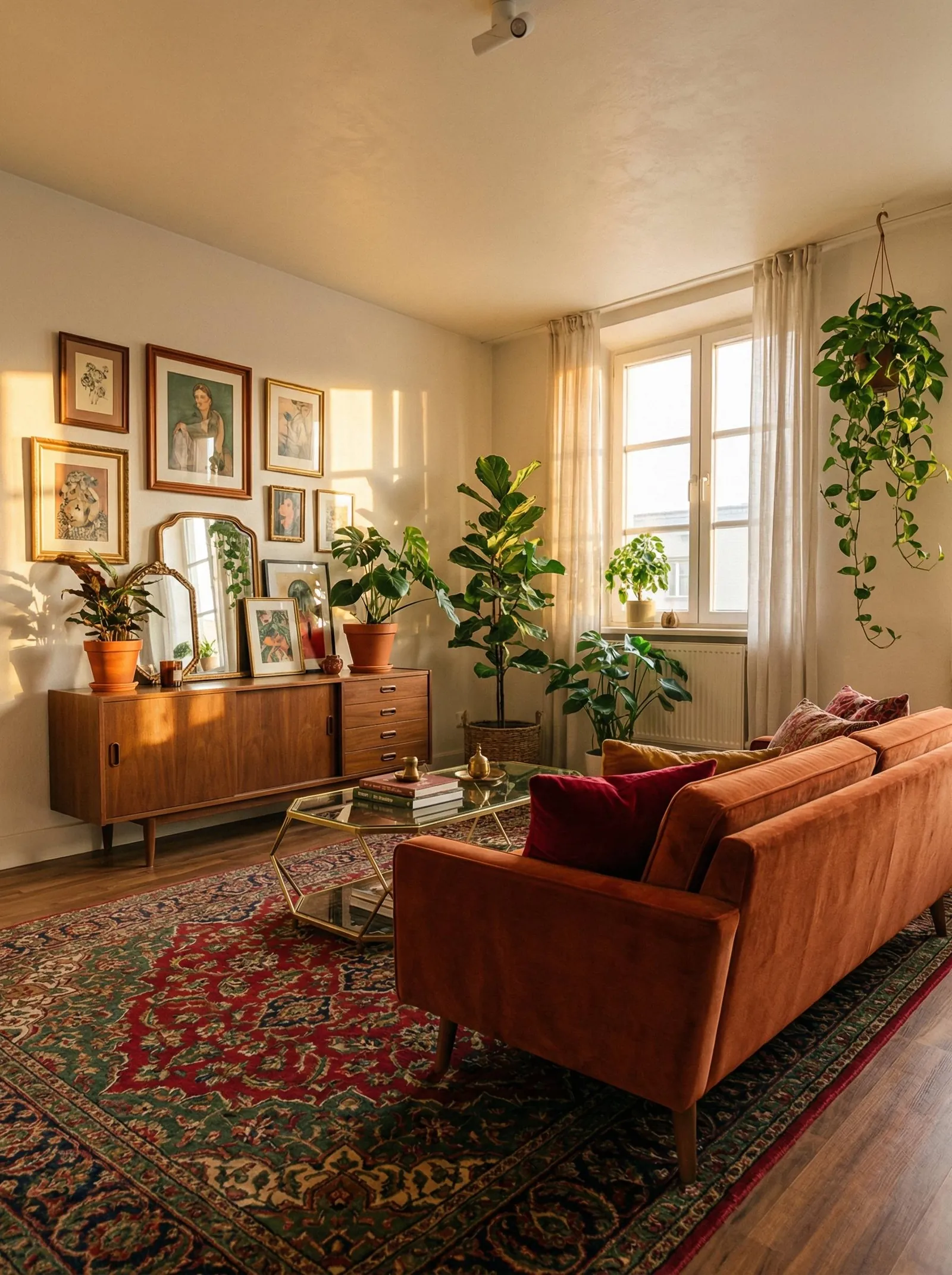
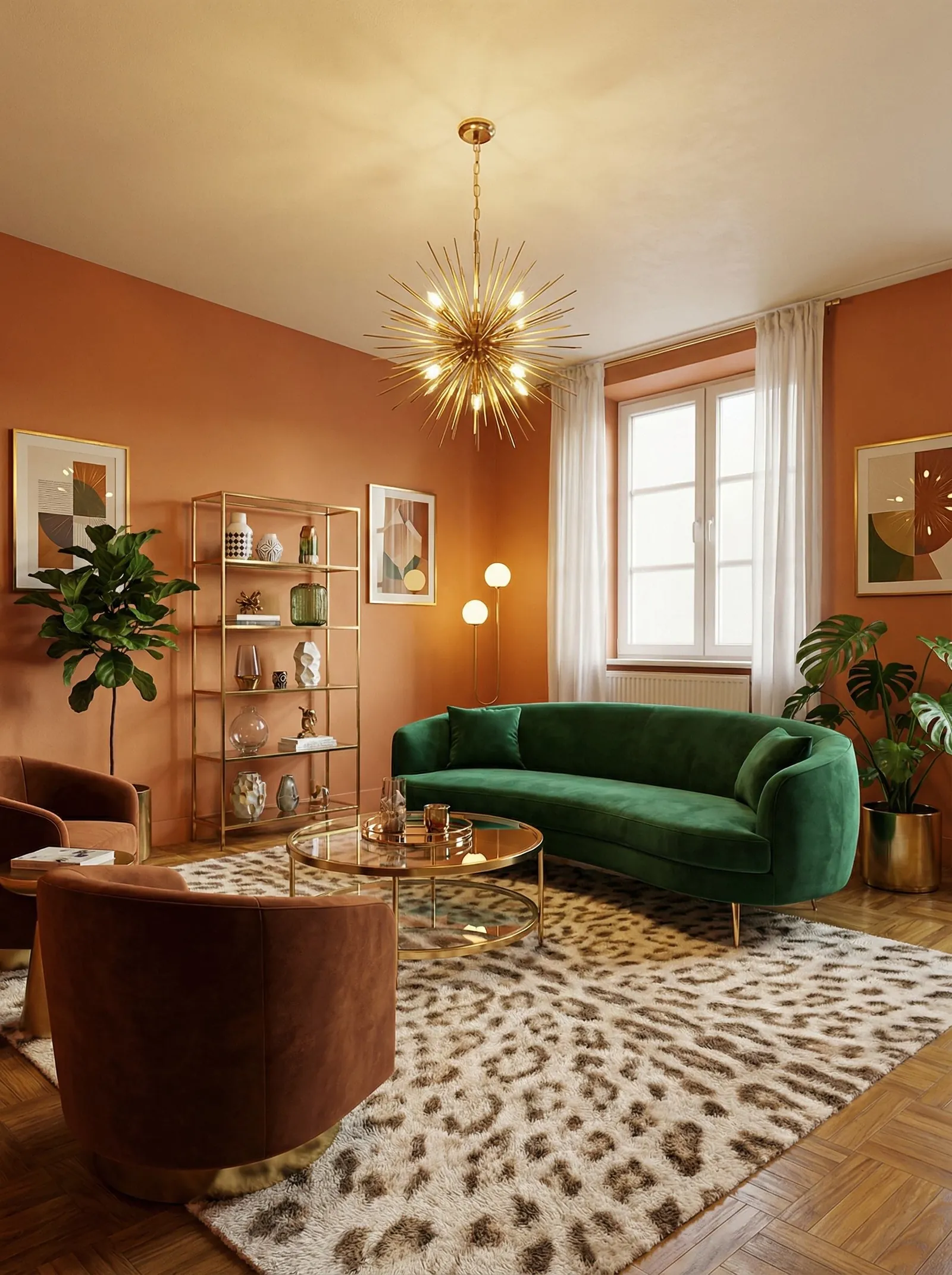
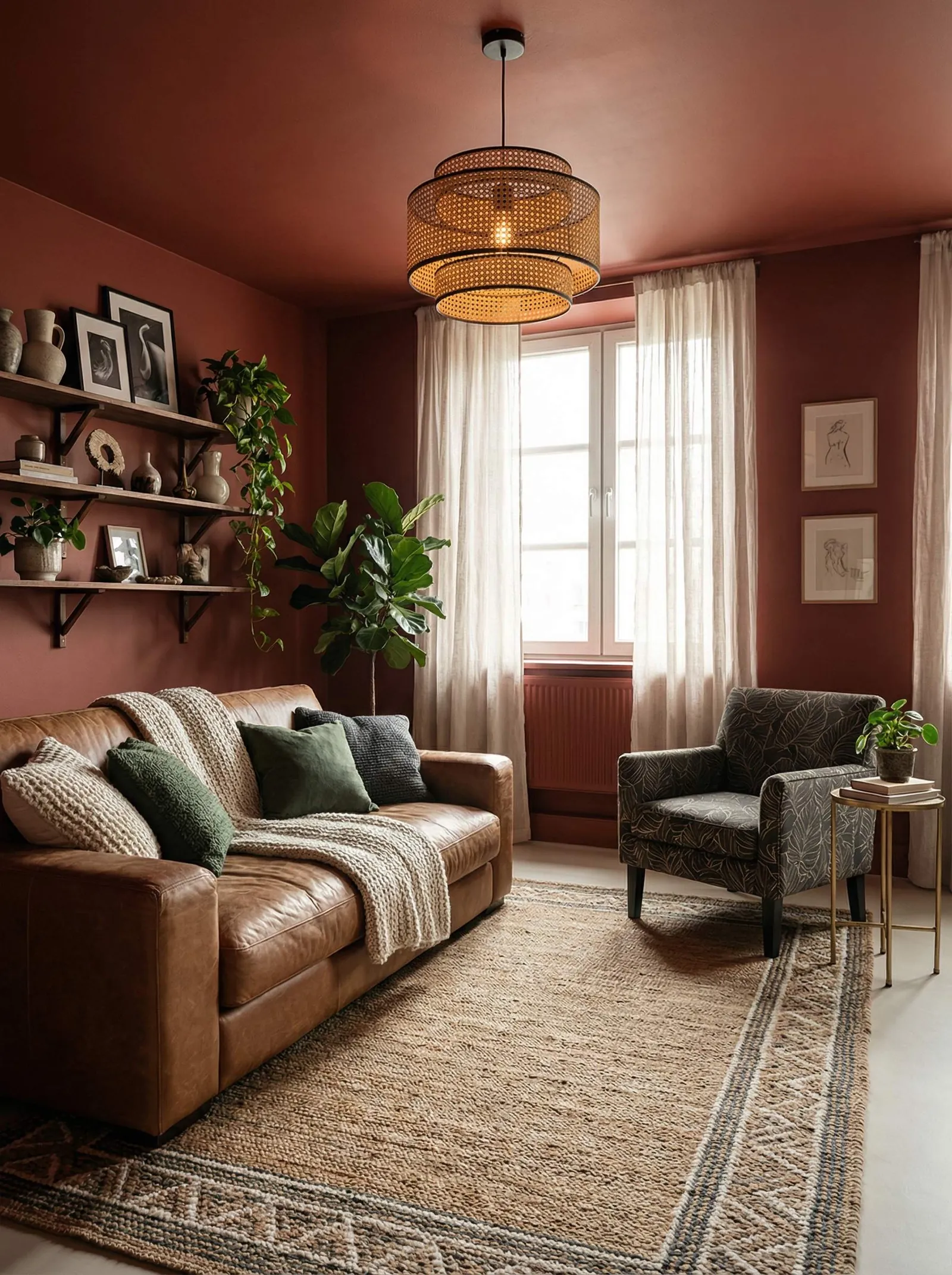
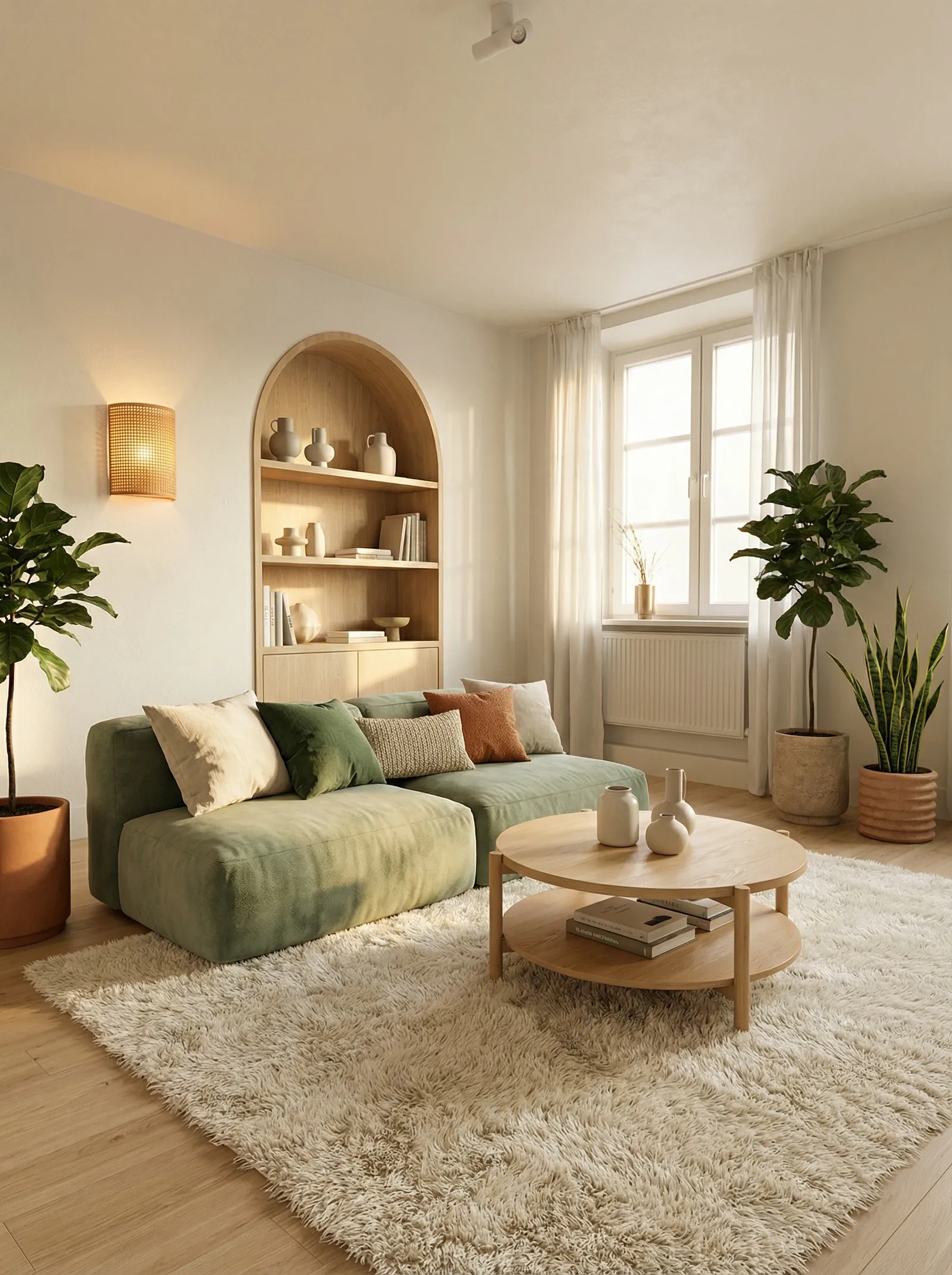
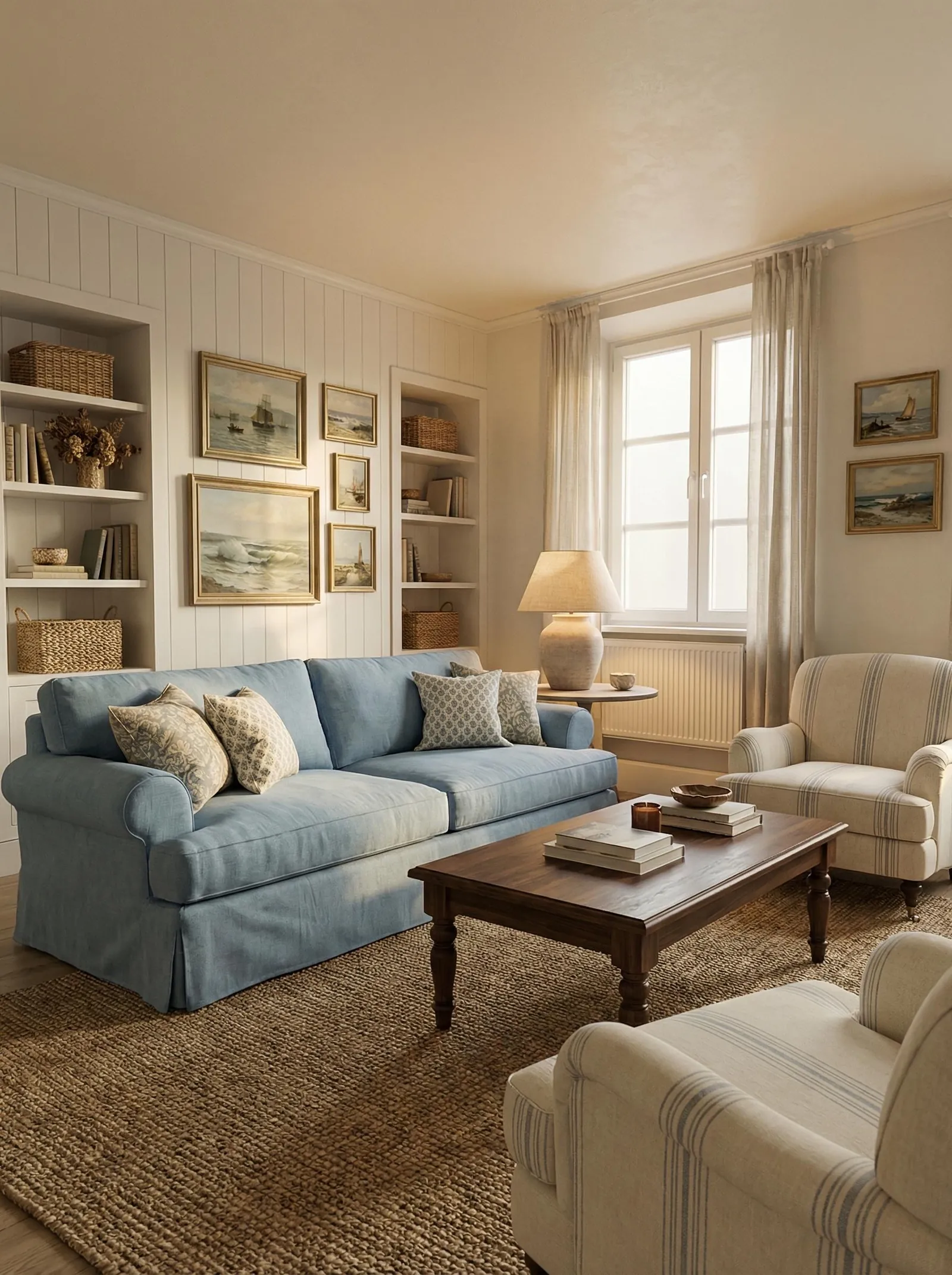
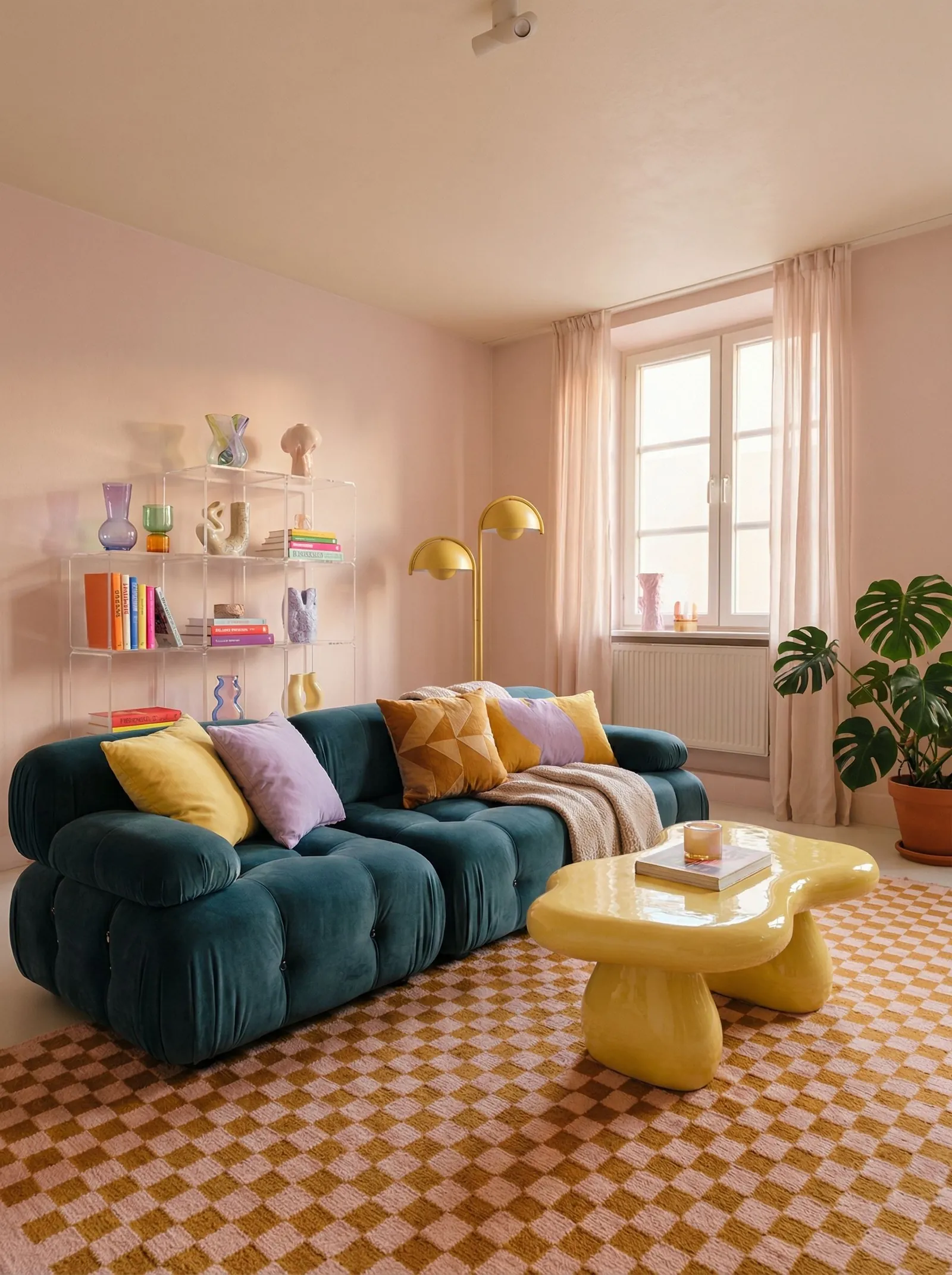
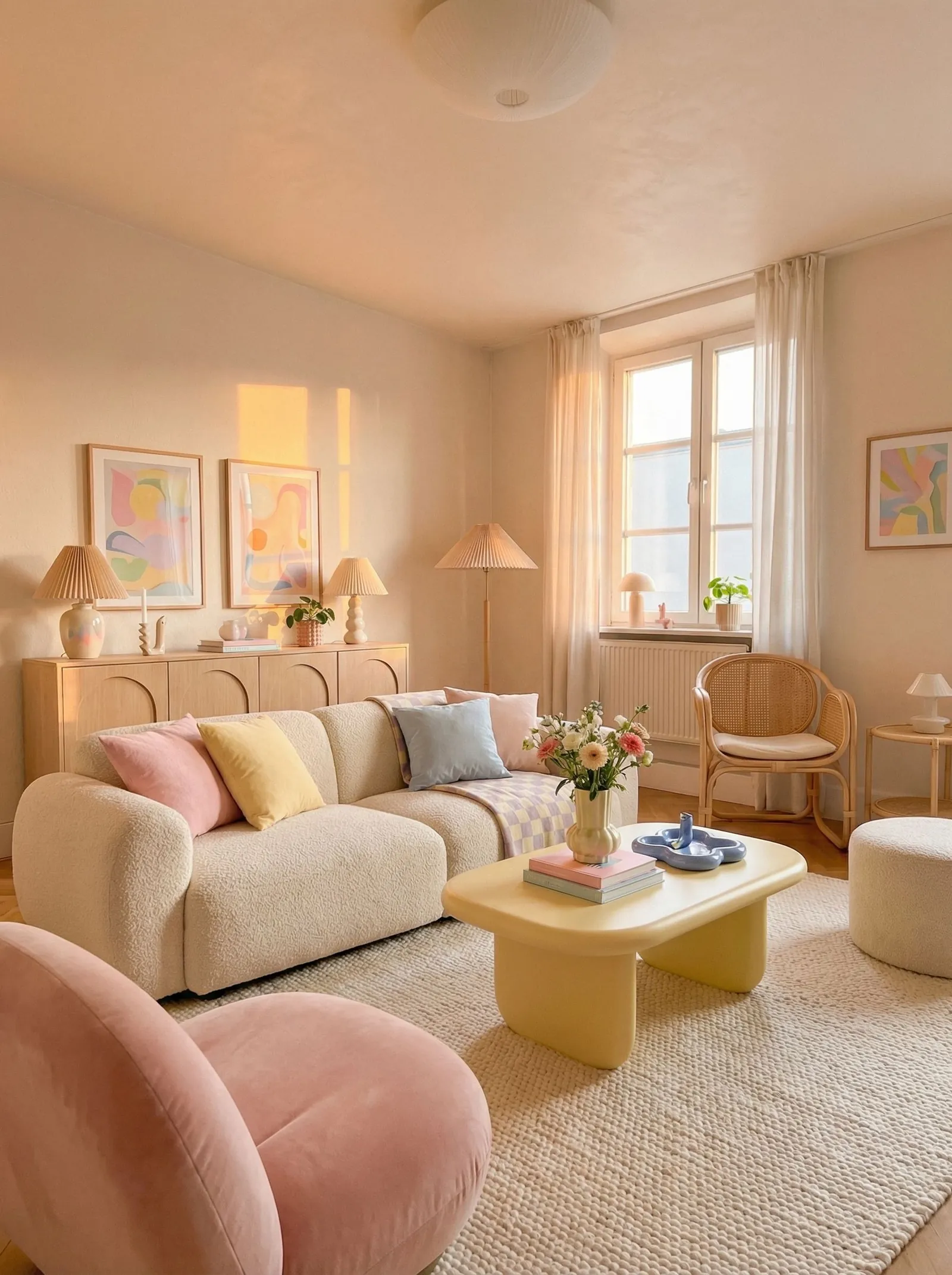
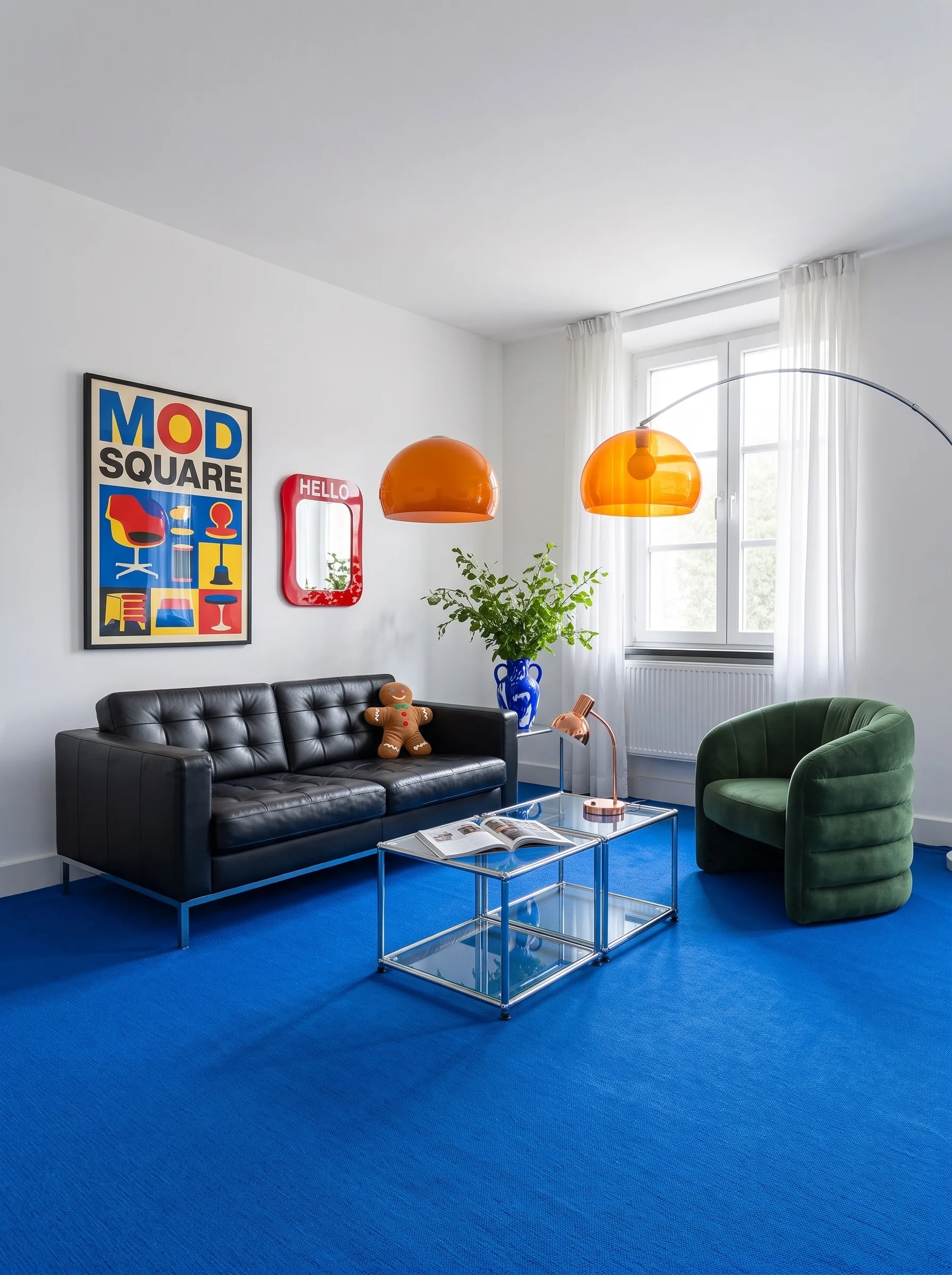
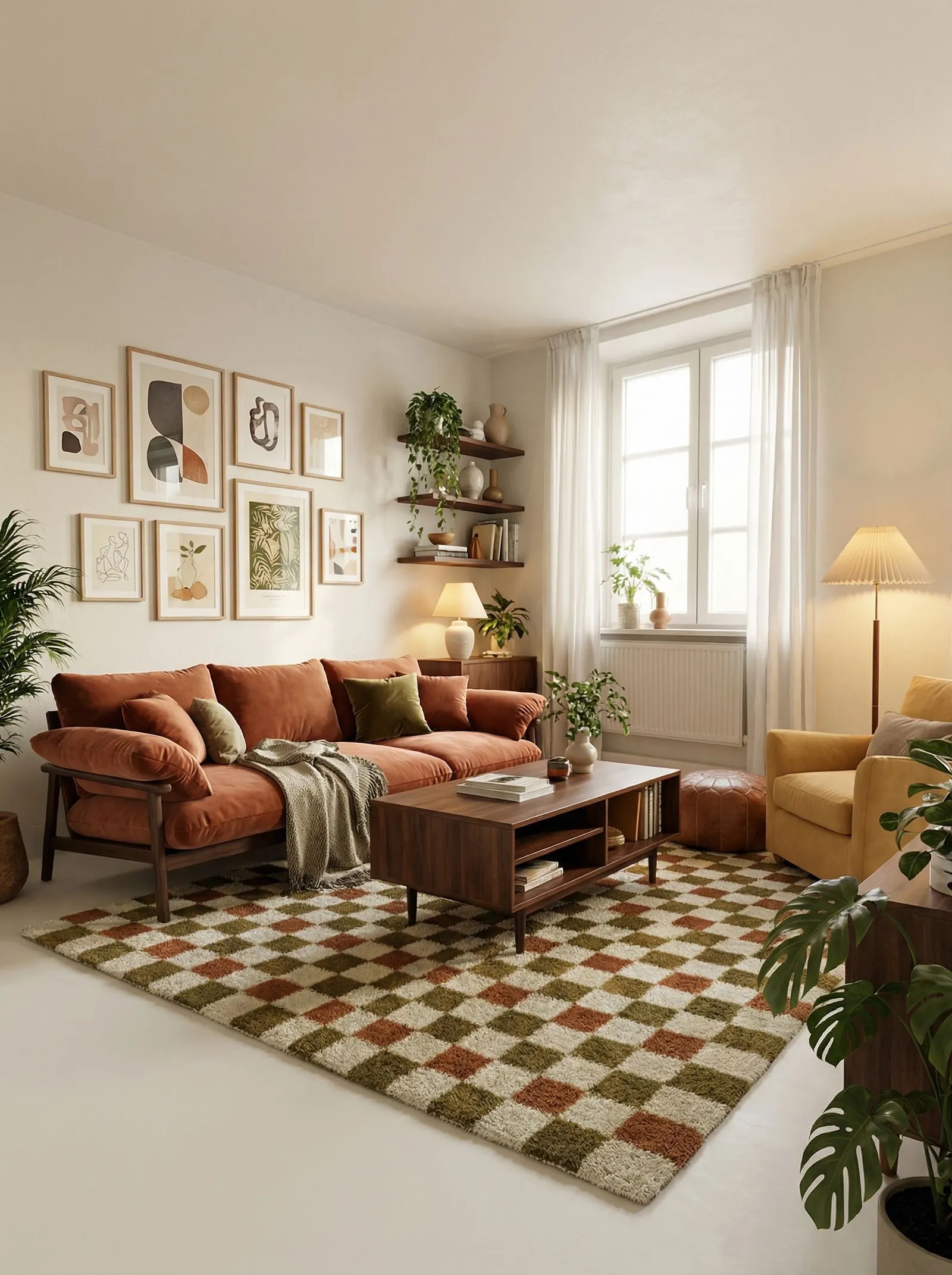
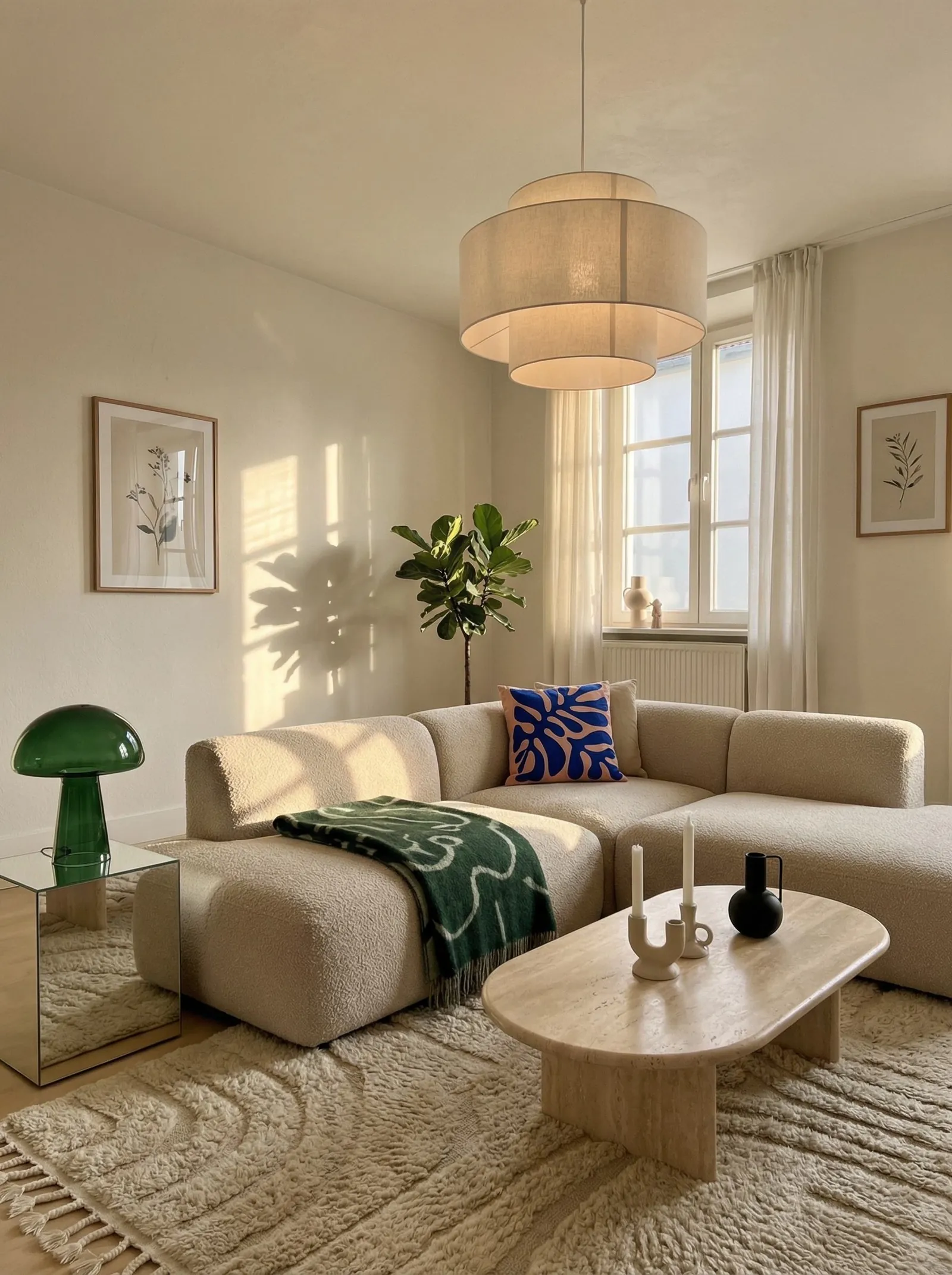
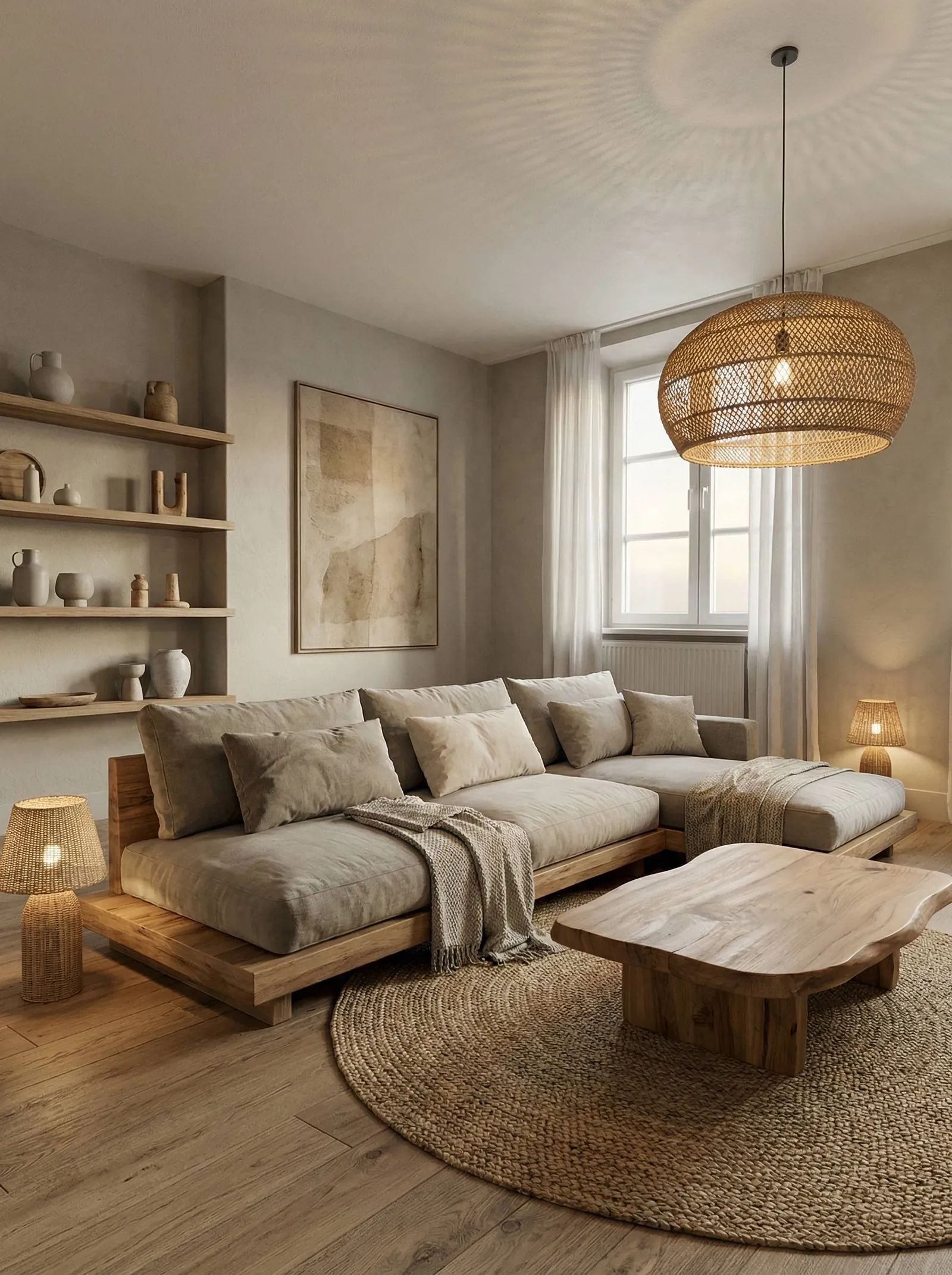
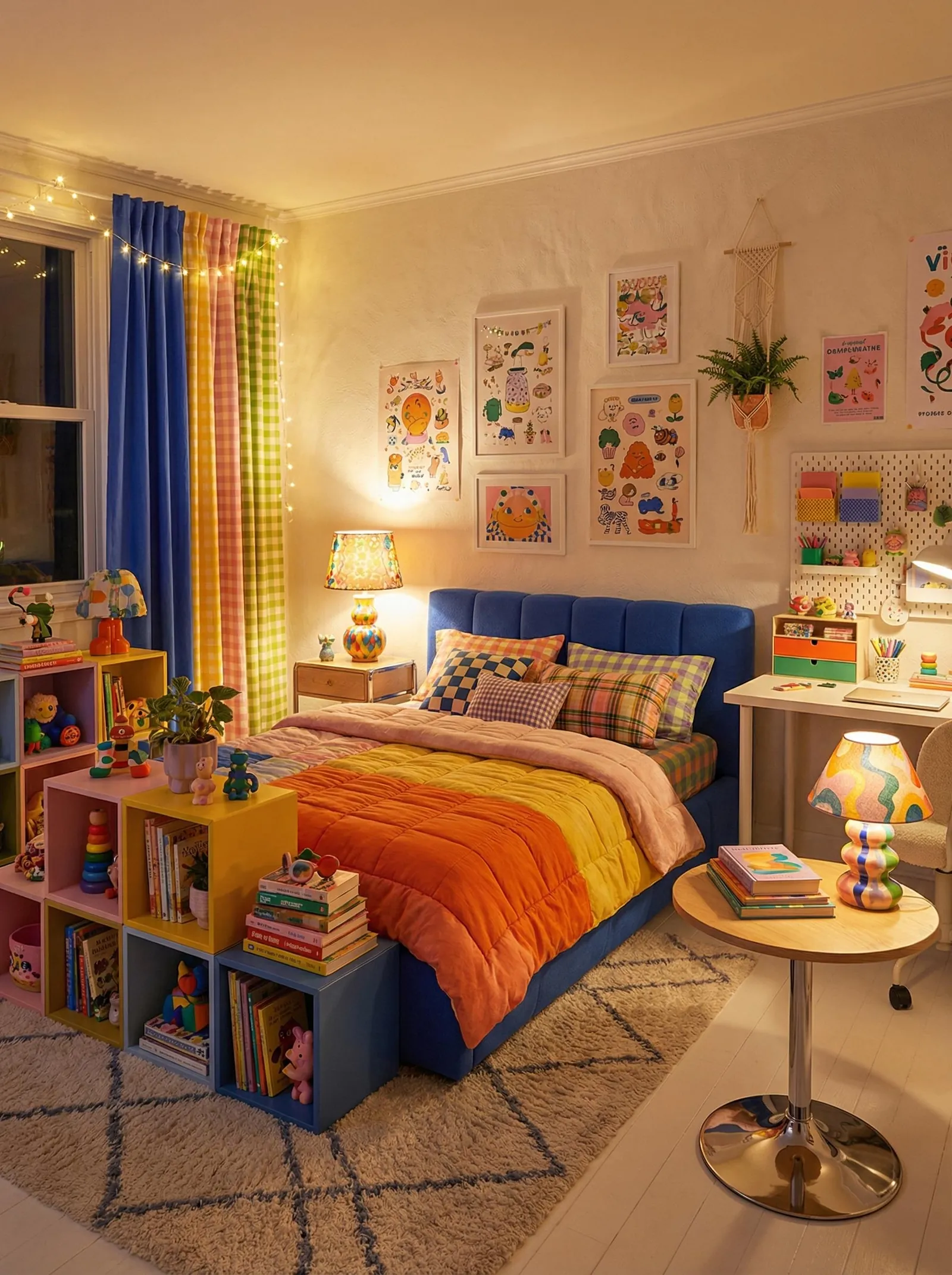
4 maximalist versions of the same real living room, all shot from the same spot.
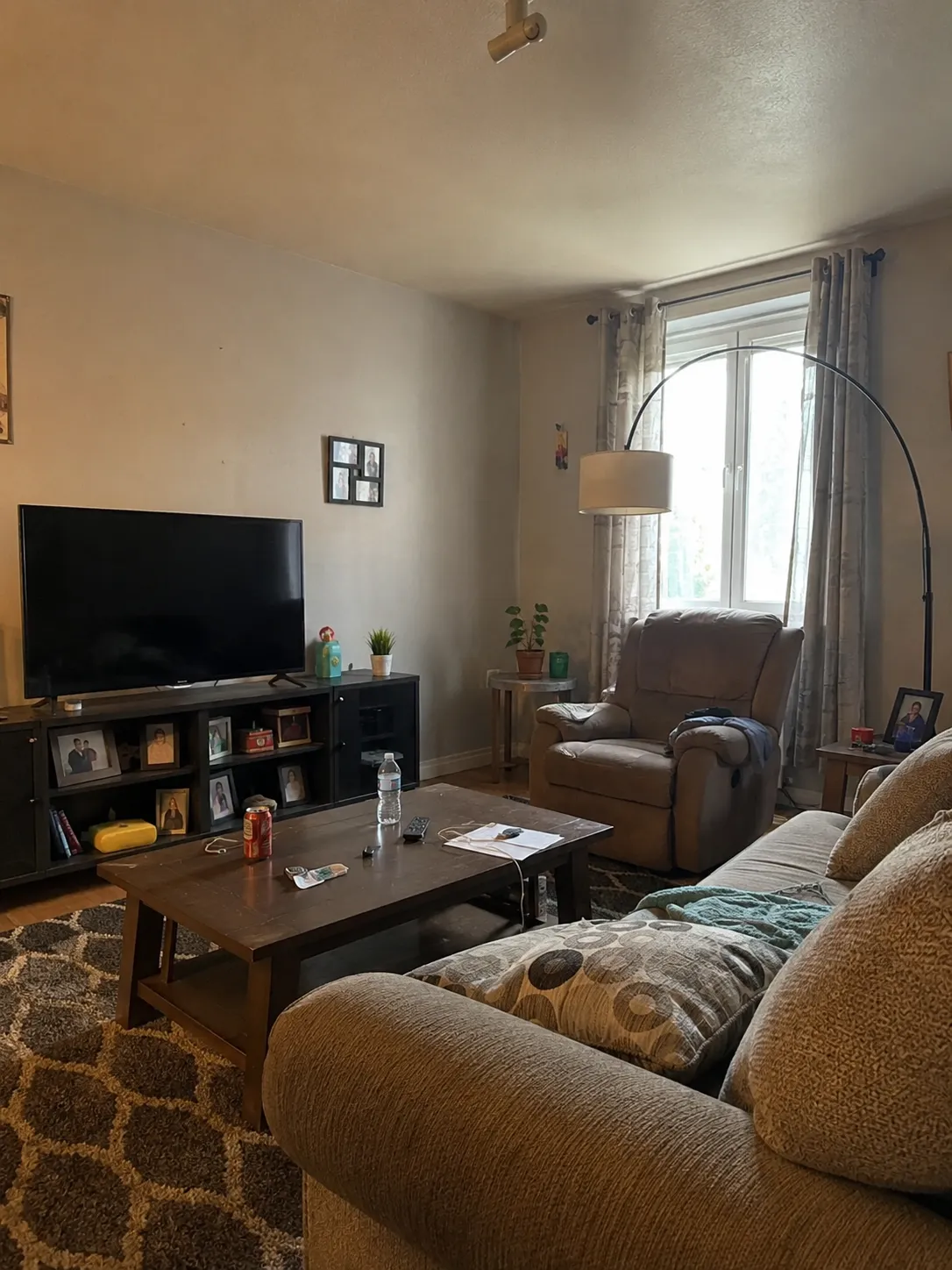 Before
Maximalism tolerates a lived-in space better than any stripped-back look, because its whole idea is that a full room is a good room. This room has a low ceiling and one window, and three of these versions lean into that with dark walls, layered pattern and plenty of objects, which hides flaws instead of exposing them. The cost sneaks up. No builder is needed, the window and floor stay put, but a sloppy maximalist look feels cluttered, while a good one brings real velvet, real frames and a real rug, and those add up. A Saturday gets you dark paint and a gallery wall of charity-shop prints. A weekend and a delivery brings the velvet sofa and armchairs. The gilded baroque version quietly needs a trade budget, since good gilt frames, a crystal chandelier and carved furniture are where the zeros appear.
4 versions of maximalist
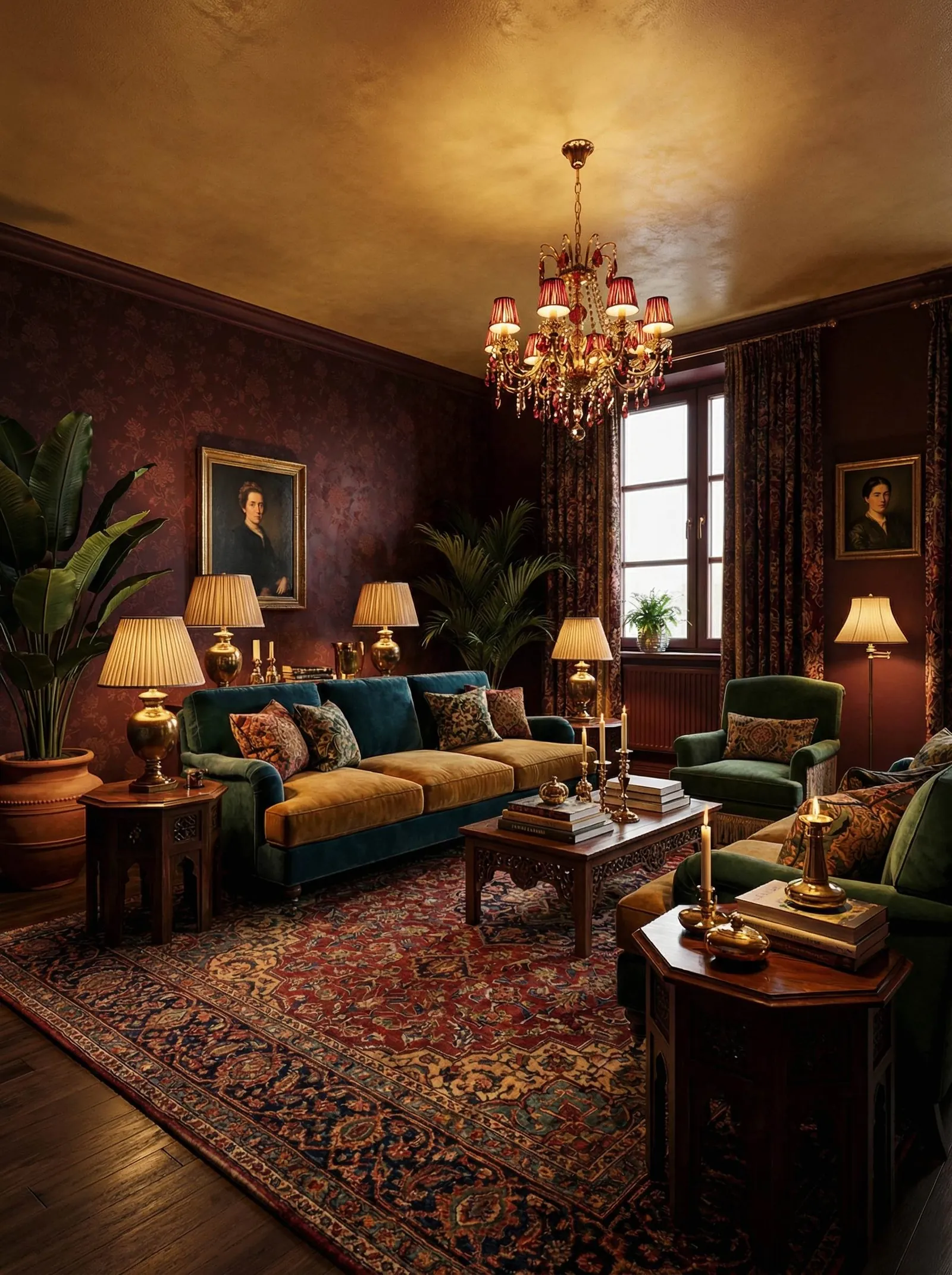
Dark Damask
Maximalism at its most club-like, and the version that flatters the low ceiling best, because dark walls make the height stop mattering. The layers are the spend: real velvet, brass lamps, framed oils and a proper Persian rug, which is a weekend of delivery plus slow collecting. Damask wallpaper is a trade job if you want it crisp, or a patient Saturday if you hang it yourself and accept a wonky seam. Keep the bulbs warm and low; this palette dies under cool white light.
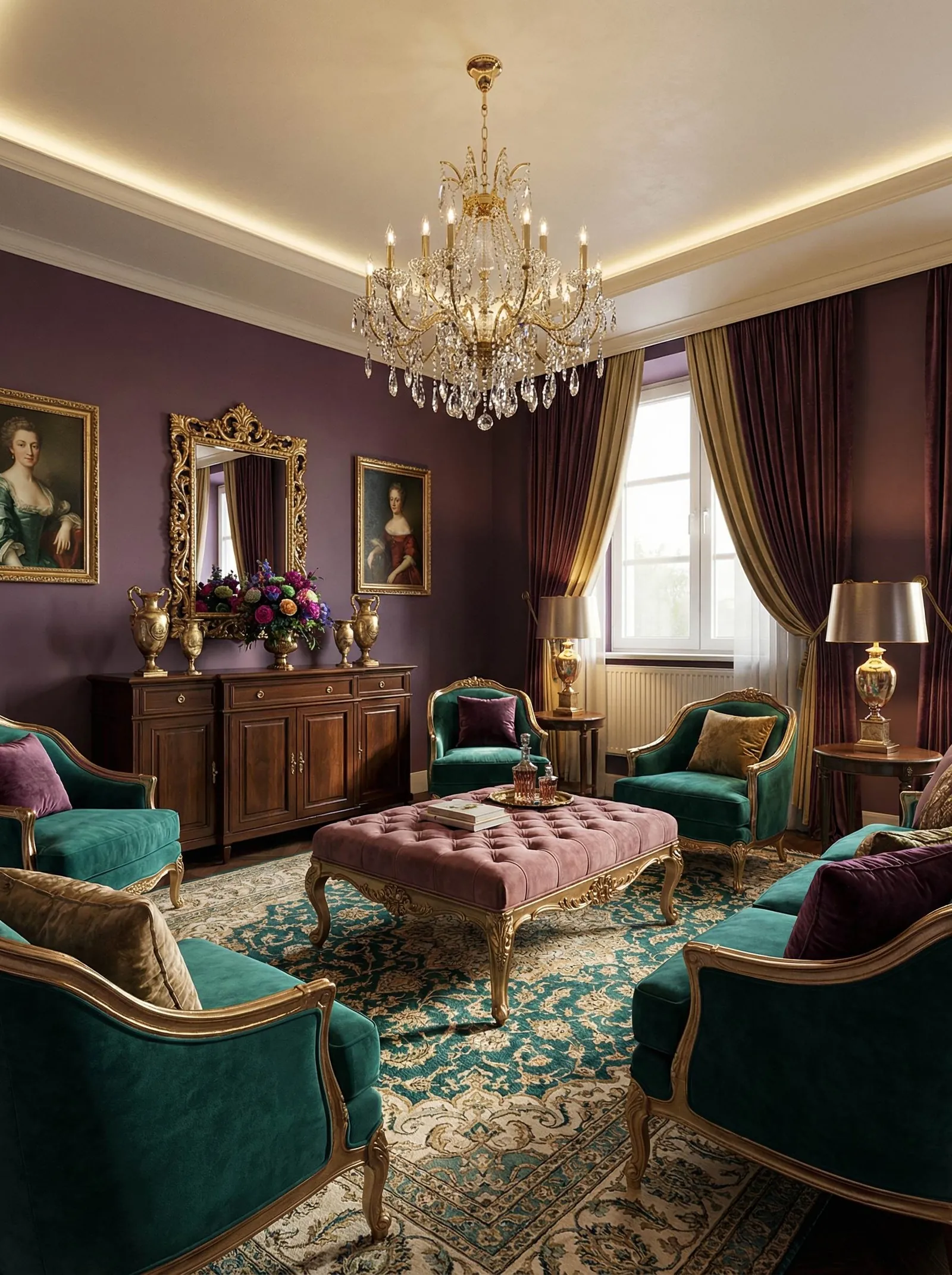
Gilded Baroque
The grandest and the priciest by a distance. Gilded bergere chairs, a crystal chandelier and a carved gilt mirror are antique-fair or serious-reproduction money, not a weekend swap. You can fake the walls and drapes cheaply, aubergine paint and heavy curtains are a Saturday, but the furniture is what sells it and there is no cheap shortcut that does not look like a film set. Be honest about function too; this many delicate armchairs and no real sofa is a room for looking, not for slumping.
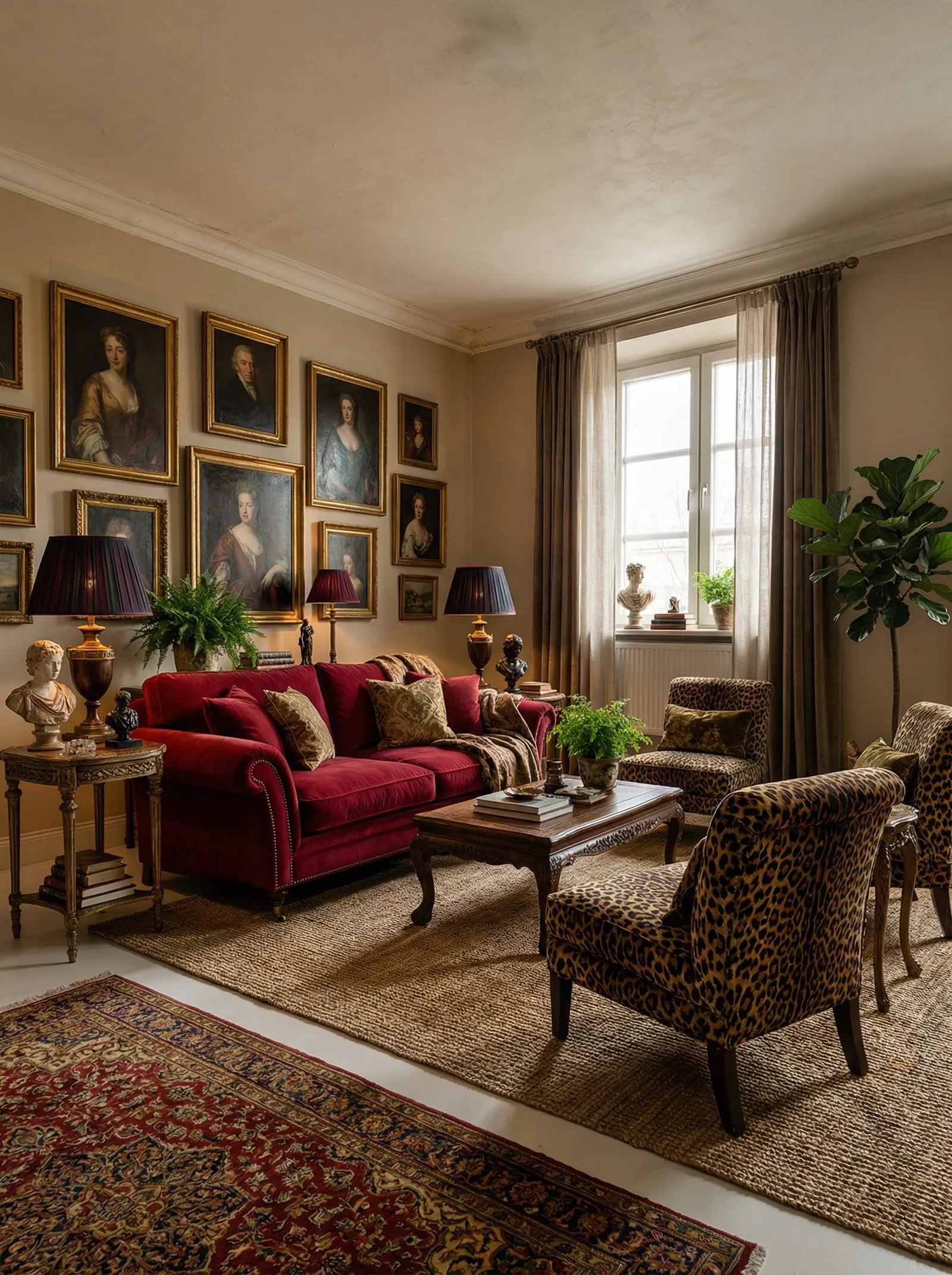
Portrait Wall
The most attainable maximalist room here, because the drama lives on the walls, not in the furniture. A salon hang of secondhand portraits and gilt frames is a genuine Saturday project and cheap if you are willing to trawl, which is where this look lives. The crimson velvet sofa and leopard chairs are the delivery-day spend, and leopard print is a commitment, it is either the best thing you own or the first thing you regret. Layered rugs look deliberate but the top one slides, so budget for a grippy underlay.
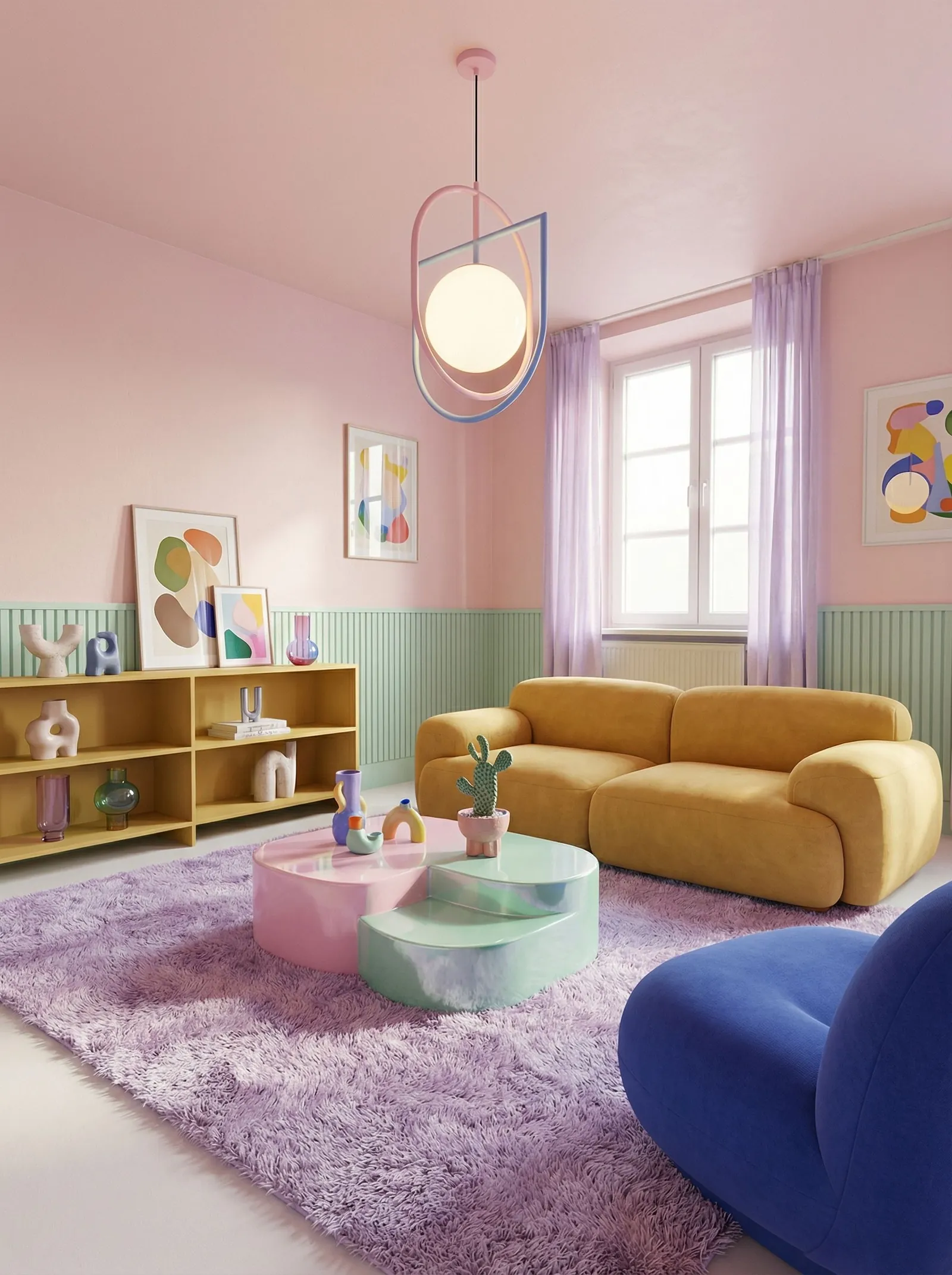
Pastel Postmodern
Maximalism does not have to be dark, and this proves it, more-is-more in sugar colors. The two-tone pink and mint walls are the standout and the cheapest move, a Saturday of paint and some beadboard if you are handy. The blob coffee tables and puffy sofa are designer-adjacent, so the glossy resin lookalikes are where you will actually shop. Pale everything shows every mark, and a lilac shag by a window will fade on the sunny side, so rotate it or expect a two-tone rug in a year.
See your own living room in Maximalist style
Every render on this page is one real living room, redesigned. Point Inty at yours: it reads the layout from a single photo, then rebuilds it in Maximalist and 200+ other styles. Your actual room, not a showroom.


Free to try. iPhone.
Questions
- What is the difference between maximalist and just cluttered?
- Editing. Maximalism is layered on purpose, repeated colors, frames that relate, patterns chosen to sit together, so the eye has a path through the room. Clutter is the same volume of stuff with no through-line. The test is whether you could name why each thing is there. If half of it is there because you never put it away, that is clutter wearing a maximalist coat.
- Does maximalism work in a small living room?
- Better than people expect. A small room already feels enclosed, and maximalism leans into that instead of fighting it, so a dark, full space can feel intimate rather than cramped. Keep the floor as clear as you can and go busy on the walls, since eye-level pattern reads as rich while floor clutter just reads as small. The dark-damask version here is doing exactly that.
- Is a maximalist room expensive?
- It depends which maximalism. A dark gallery wall of thrifted frames over bold paint is cheap and high-impact, a real Saturday. Gilded baroque, with carved furniture, a crystal chandelier and antique frames, is the expensive end and there is no convincing shortcut. Decide early whether you are buying drama through paint and secondhand finds or through real furniture, because the two budgets are not close.
- Can I test a bold maximalist look before committing to dark walls?
- That is exactly what Inty is good for. You upload one photo and it returns your own room restyled, so you can see damask or aubergine or a wall of portraits against your real window and ceiling height before you buy a tin of paint. It starts with a 3-day free trial, needs an account and is paid after that, and what you get is a visualization rather than a guarantee. For a high-commitment look like this, seeing it on your actual room first is worth more than any mood board.
- Where do you start with maximalism?
- Walls first, furniture last. Portrait Wall is the proof: the drama is a salon hang of secondhand gilt frames over bold paint, a Saturday of trawling and hanging, while the sofa underneath is one ordinary delivery. Starting with the furniture gets the order wrong — you spend the budget before the room has a personality for the pieces to join.
- Does maximalism have to be dark?
- No, and Pastel Postmodern is the counterexample: more-is-more in pink, mint and mustard with the curtains sheer and the light left in. Dark suits this room's low ceiling because it makes height stop mattering, which is why three of the four go that way, but the style's actual rule is volume and layering, not darkness.